Media Center - News
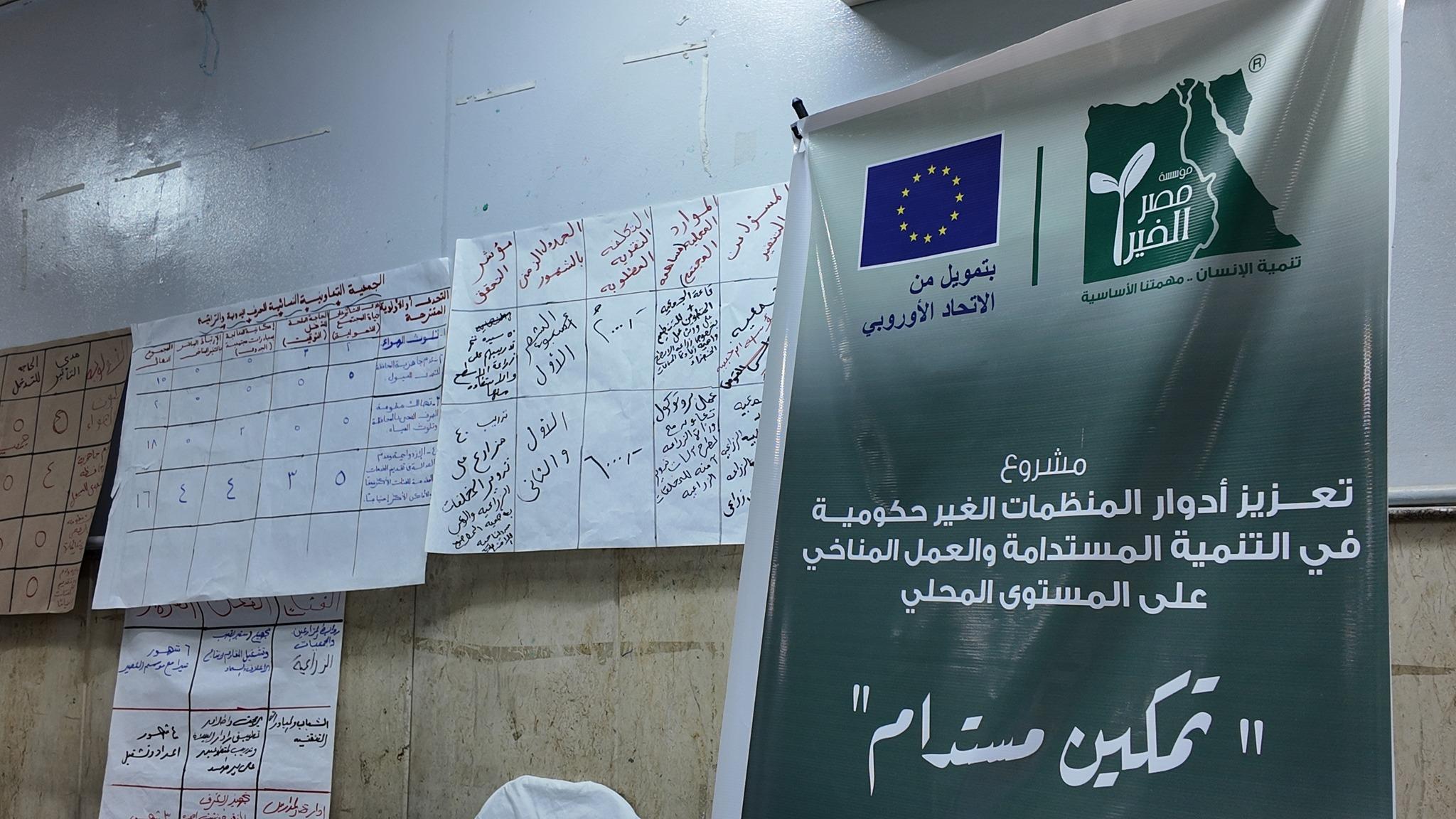
Misr El Kheir Foundation continues its efforts to support local communities and enhance their ability to participate in sustainable climate planning and action as part of the activities of the “Enhancing the Roles of Non-Governmental Organizations in Sustainable Development and Climate Action (Sustainable Empowerment)” project, funded by the European Union.

News Details
May 13, 2026
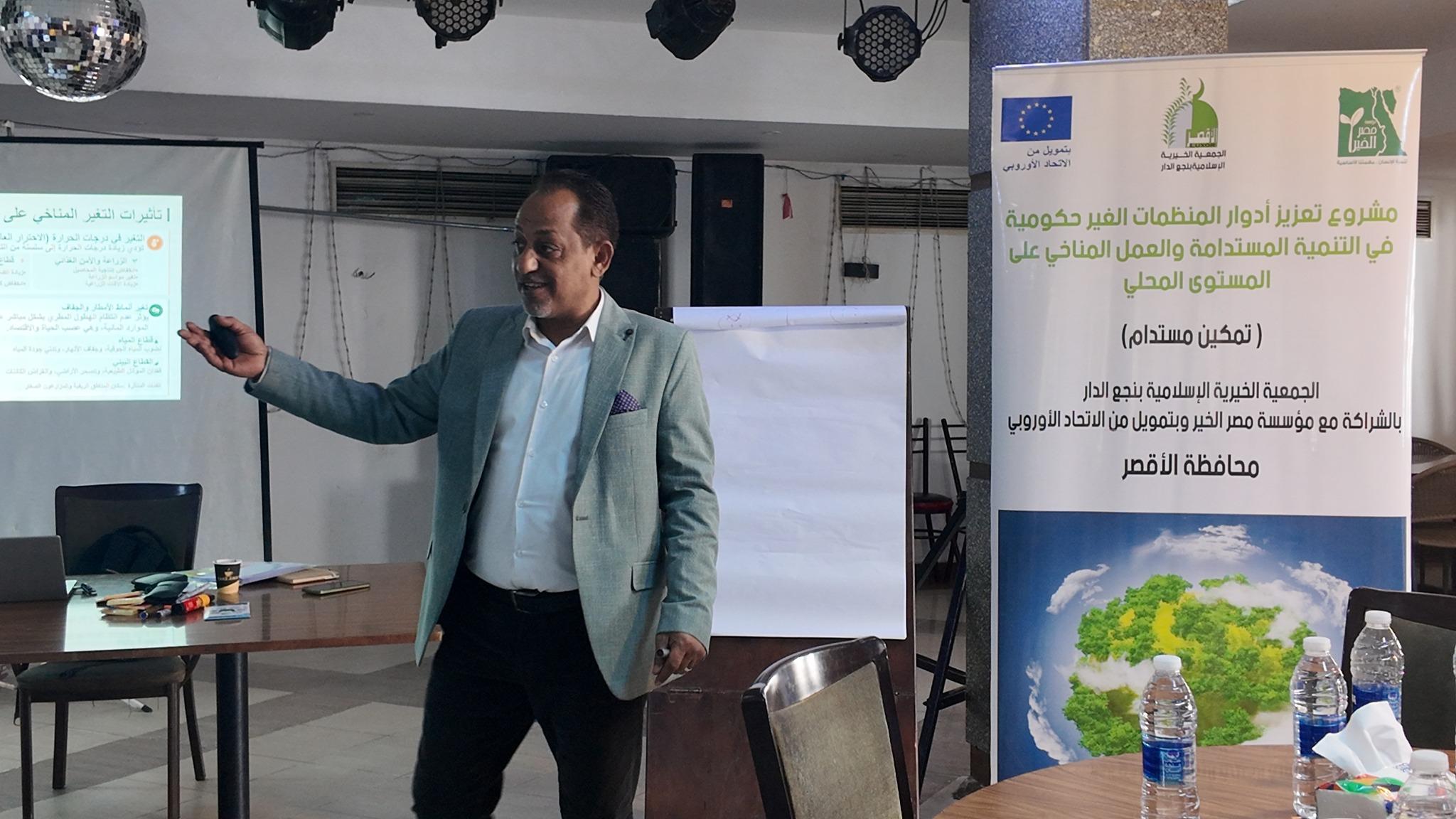
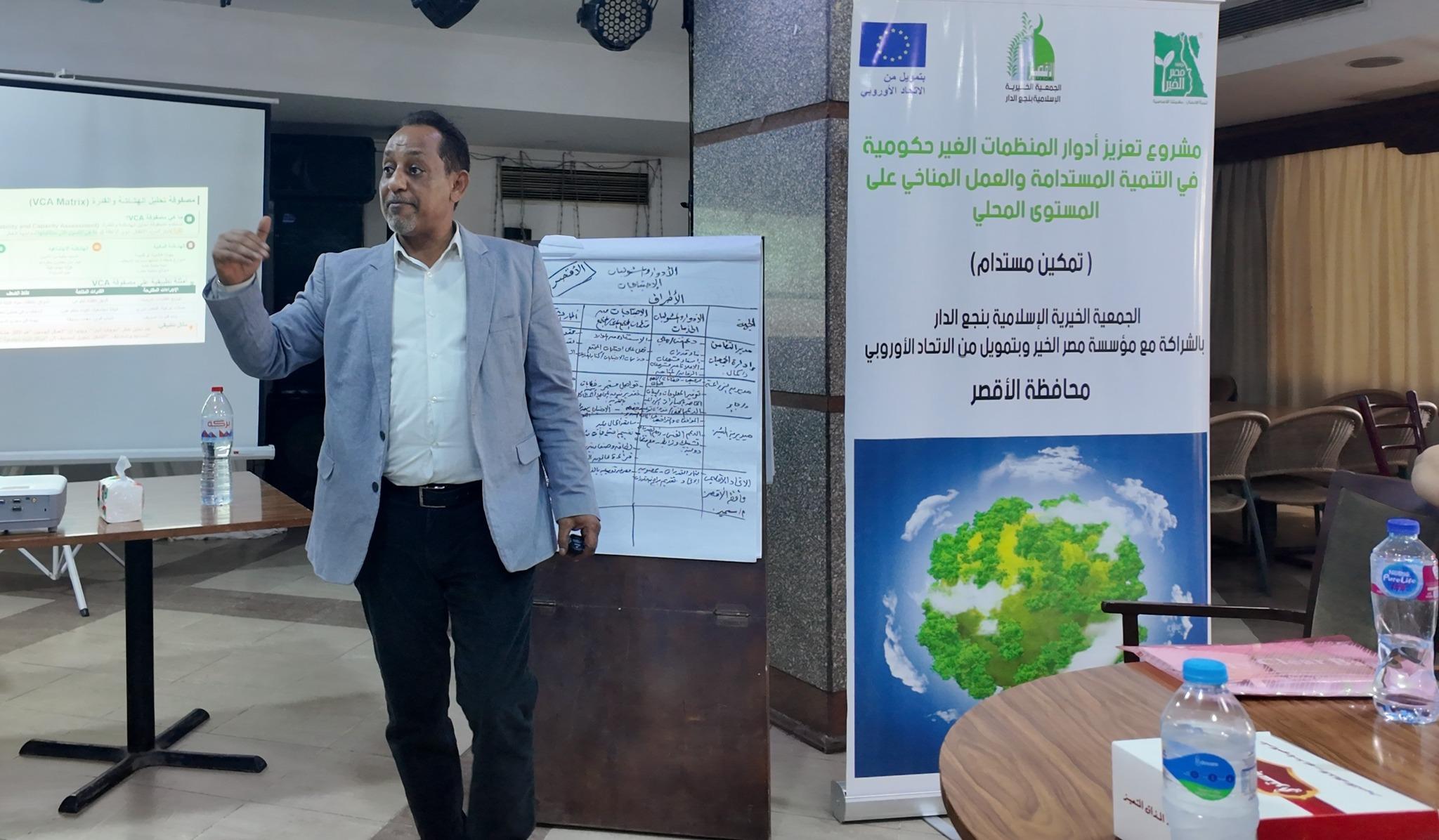
The training was implemented by Dr. Ahmed Tammam - Capacity Building and Sustainable Development Consultant.
The workshop included a number of main topics, most notably:
1) Foundations and principles of participatory planning.
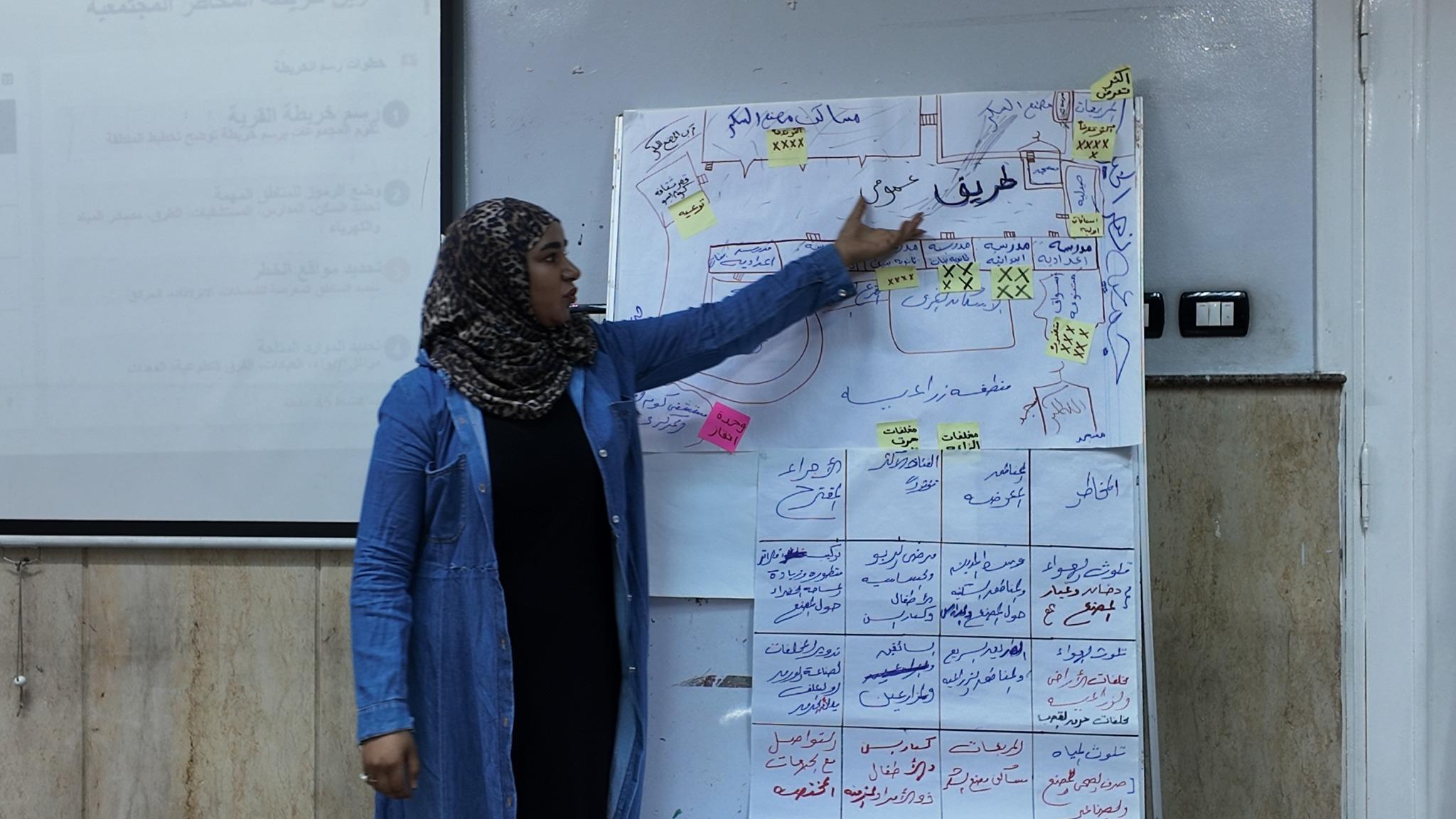
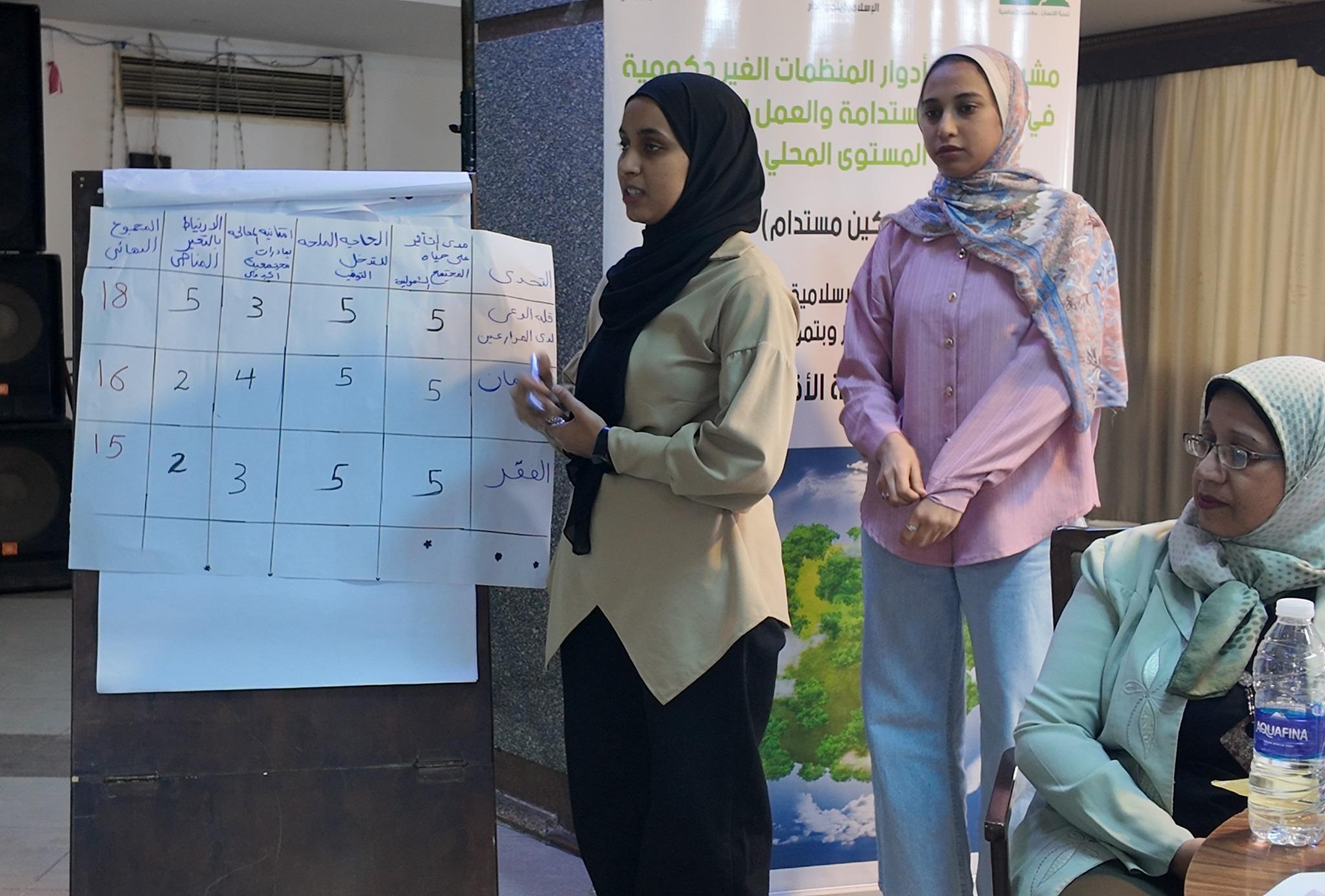
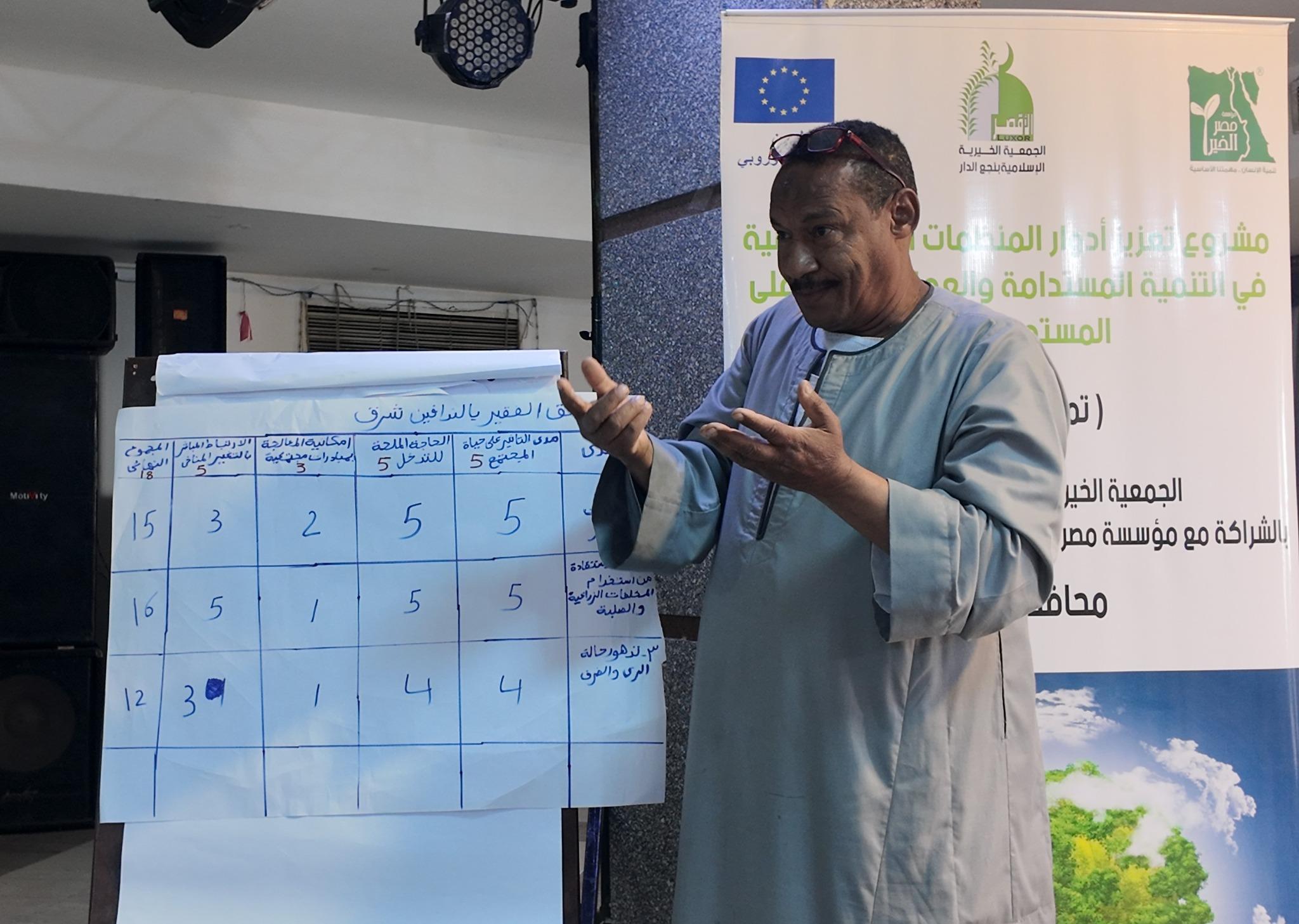
2) Analyze societal issues and determine priorities.
3) Local resource inventory and stakeholder analysis.
4) Design implementable and follow-up community interventions.
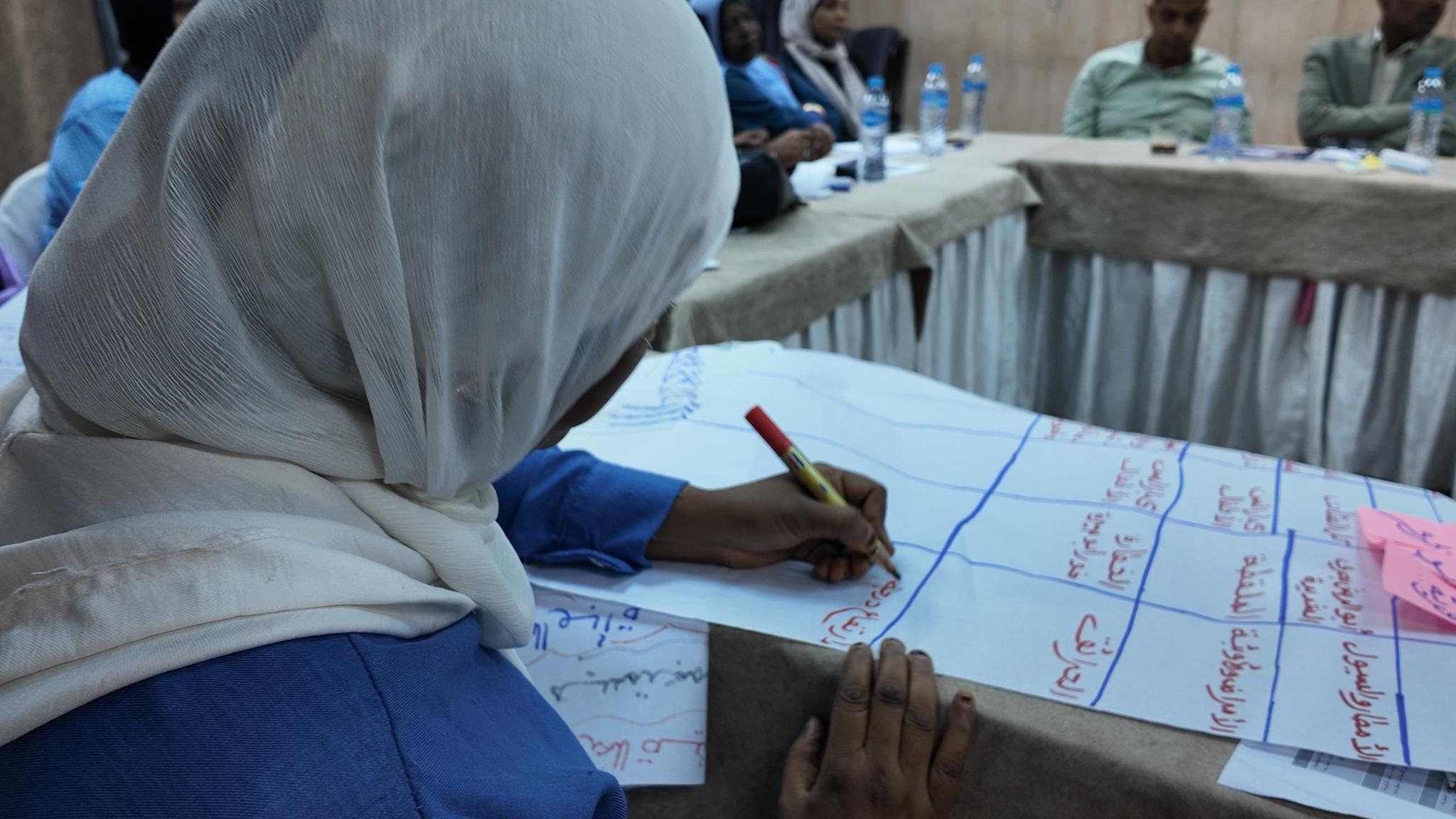
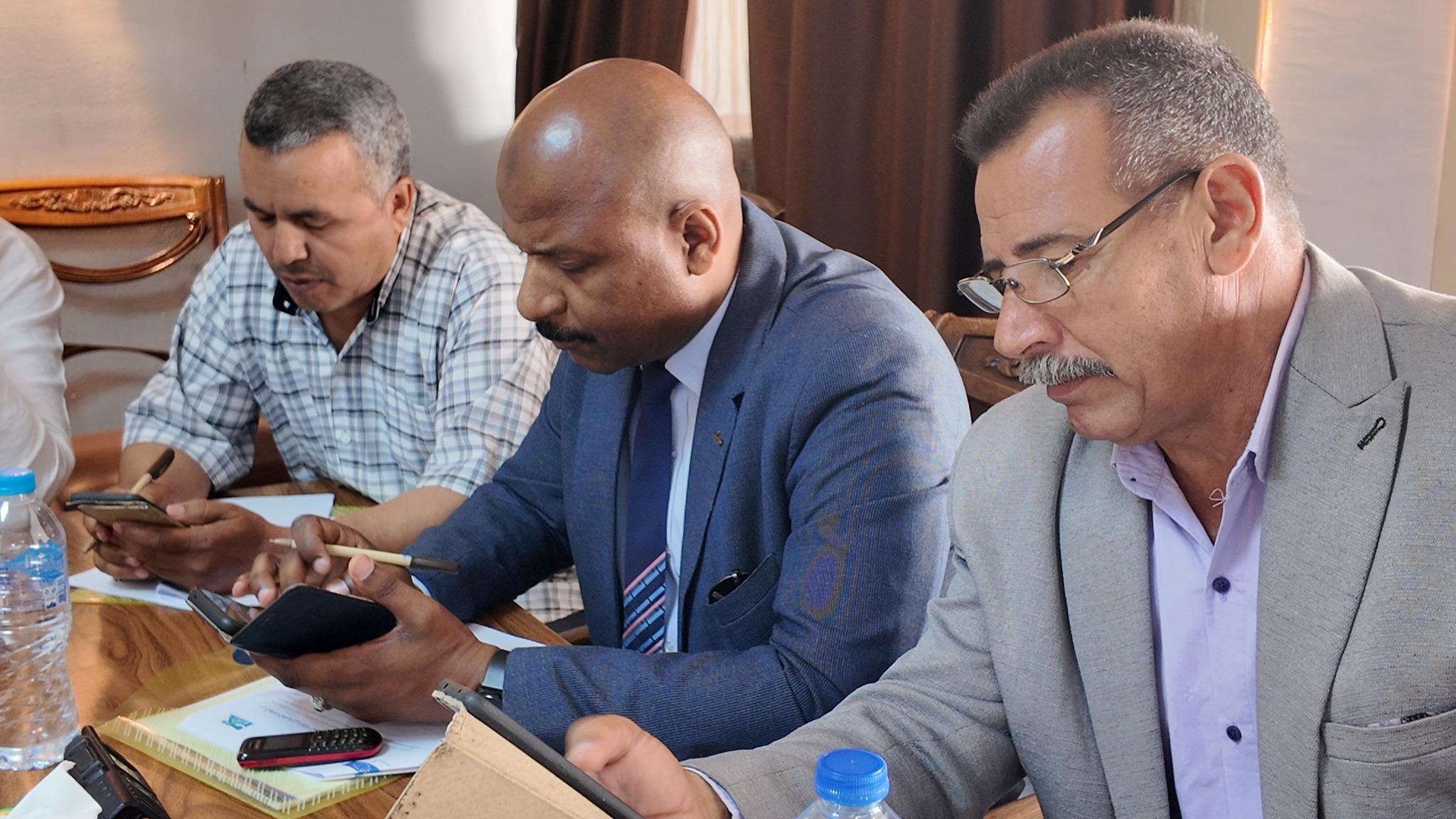
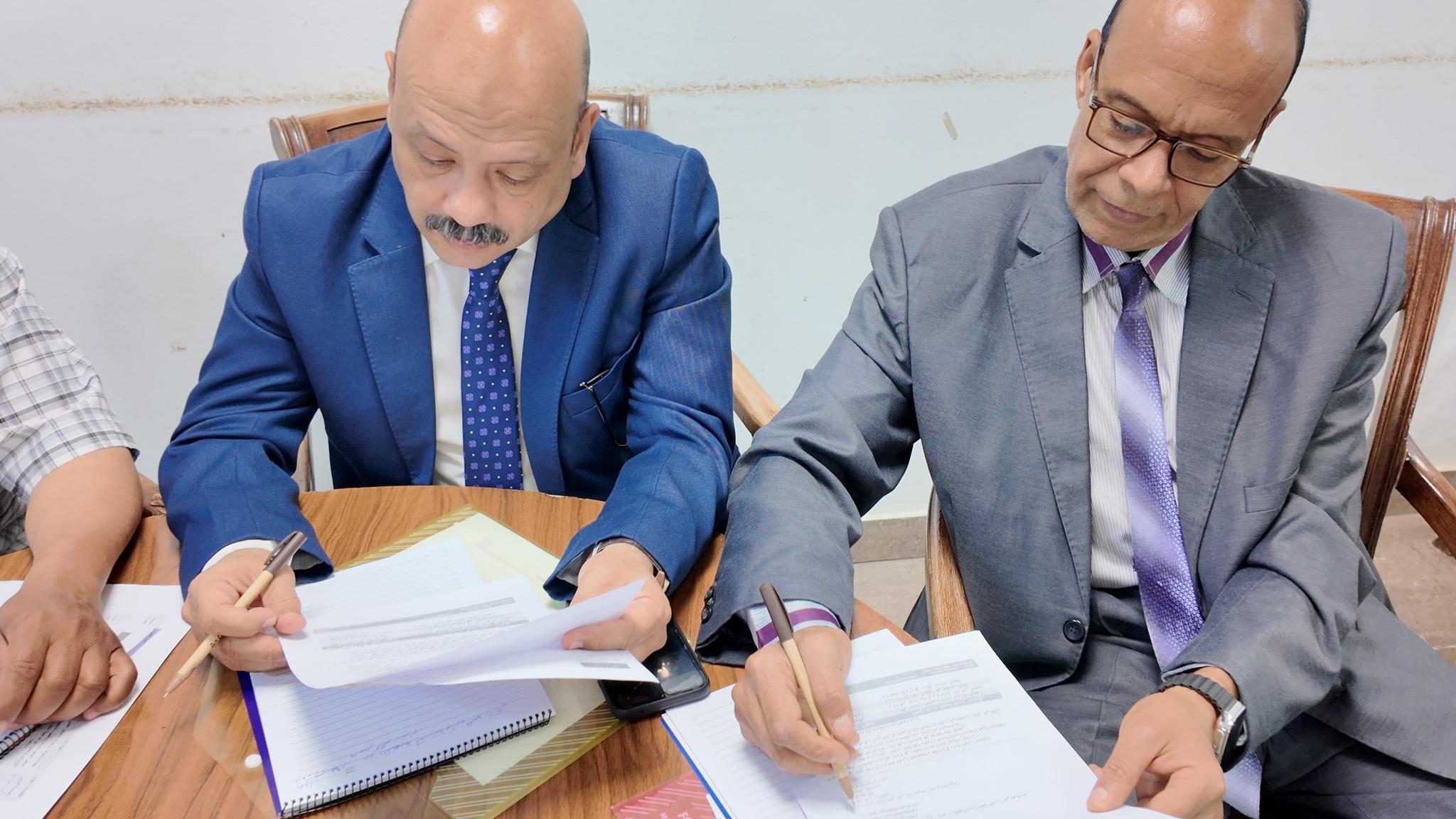
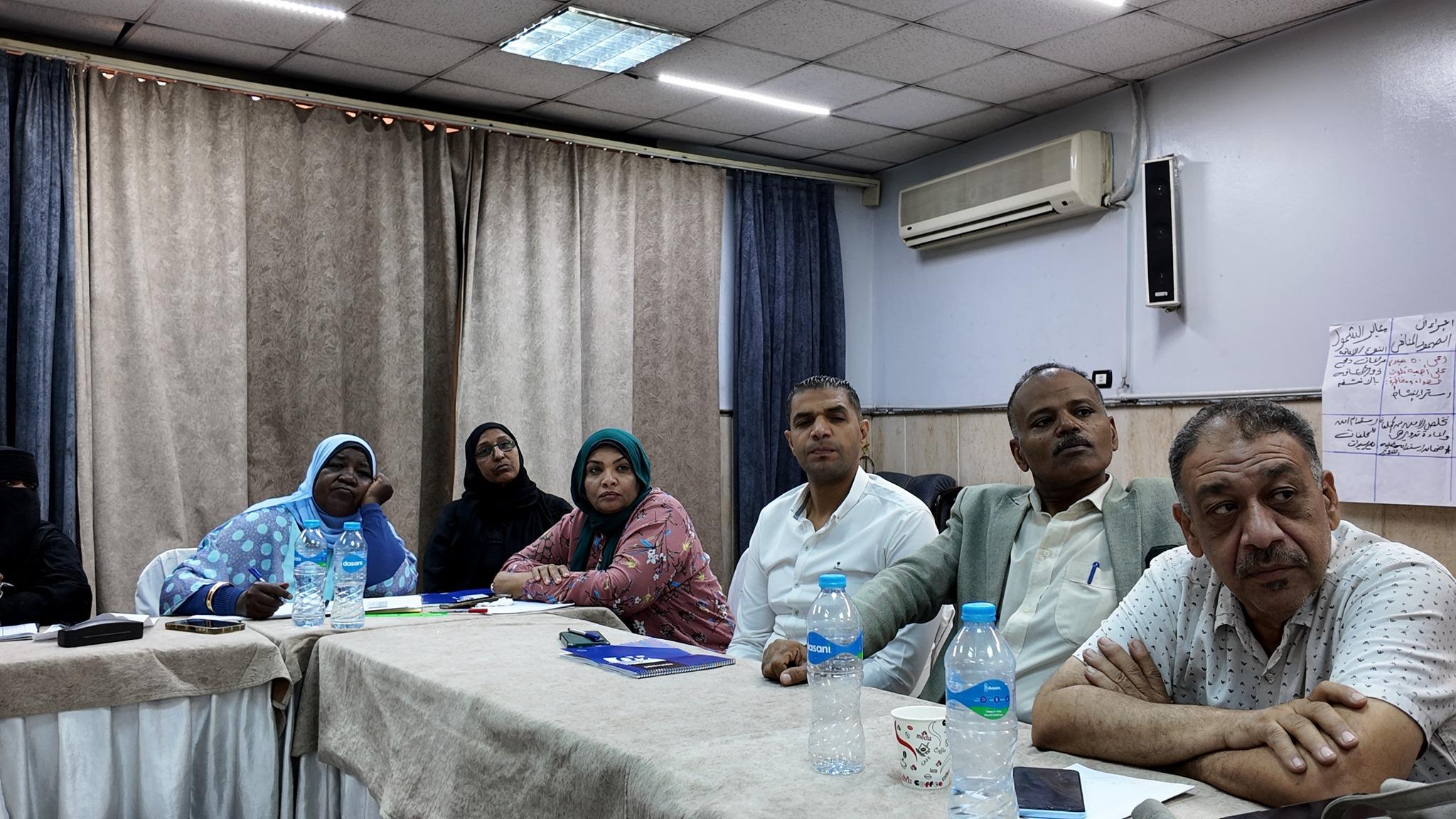
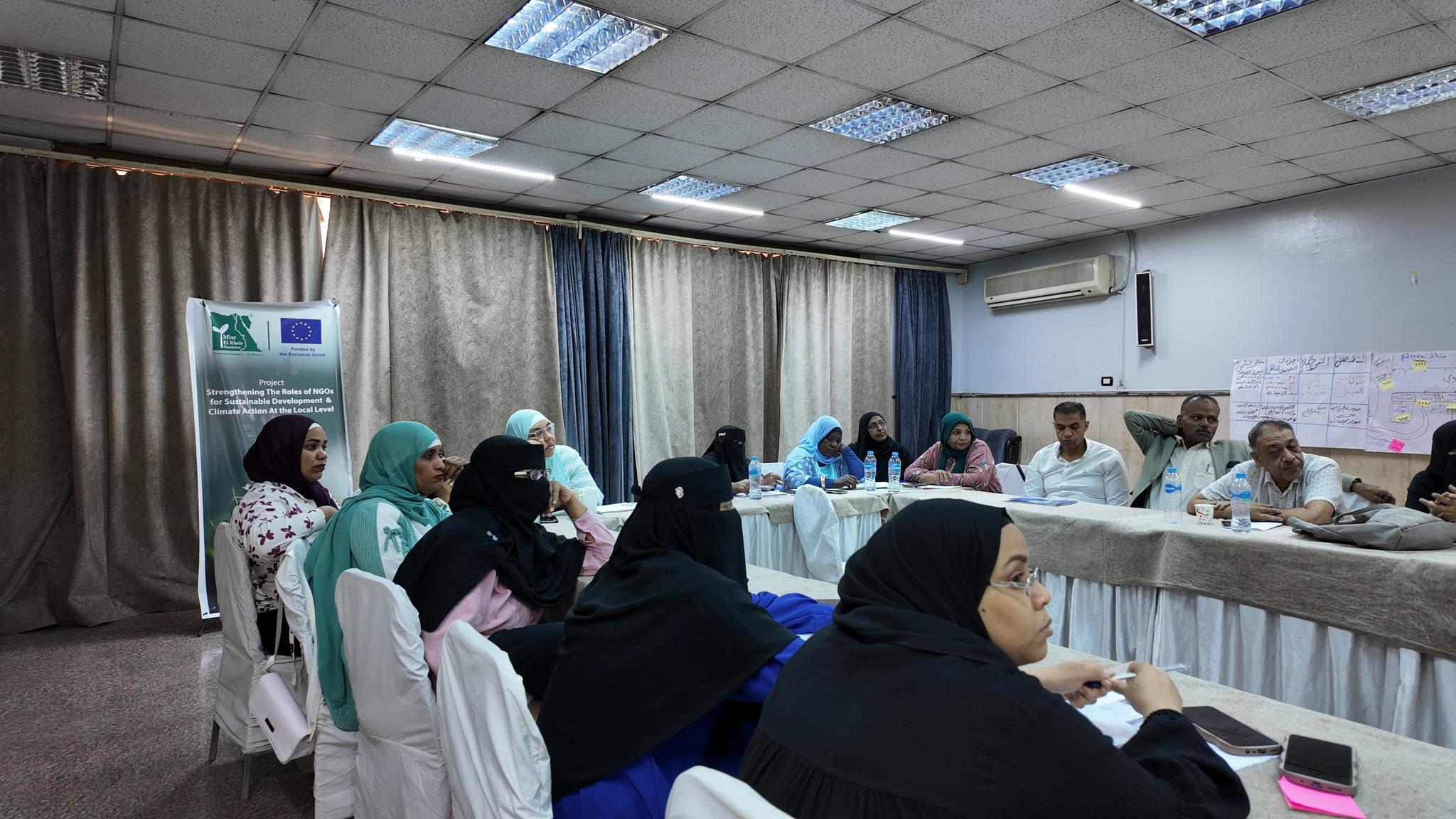
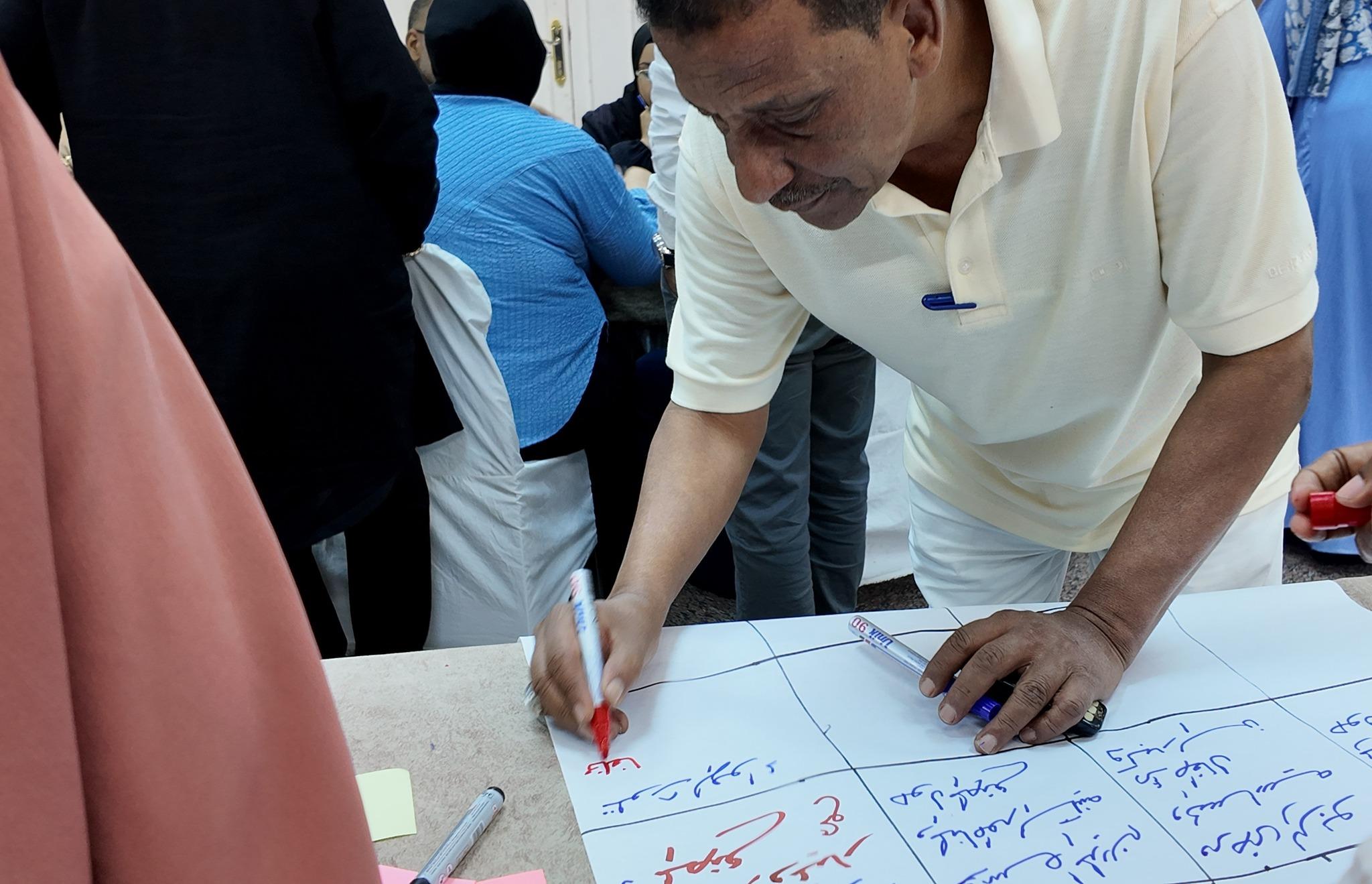
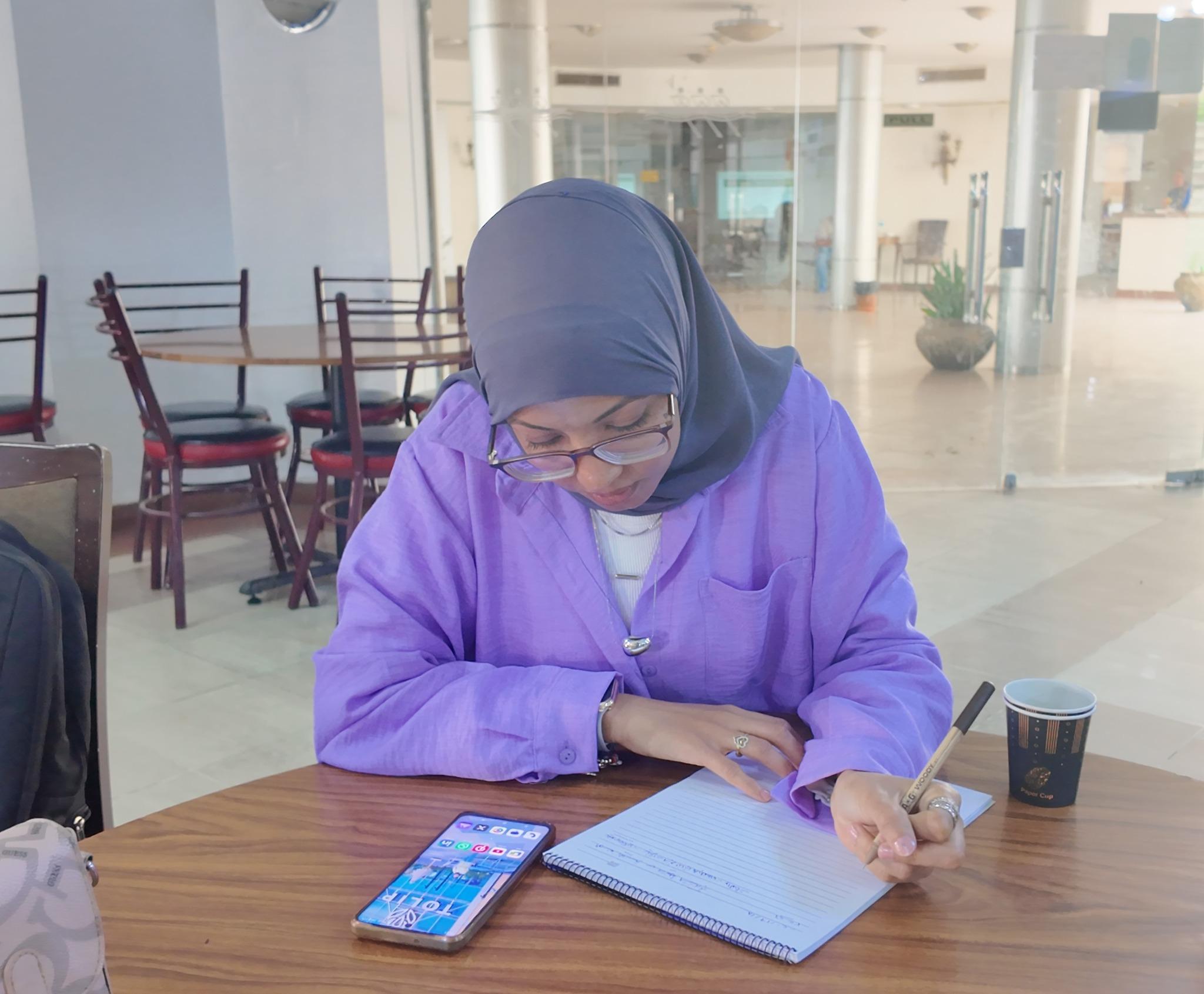
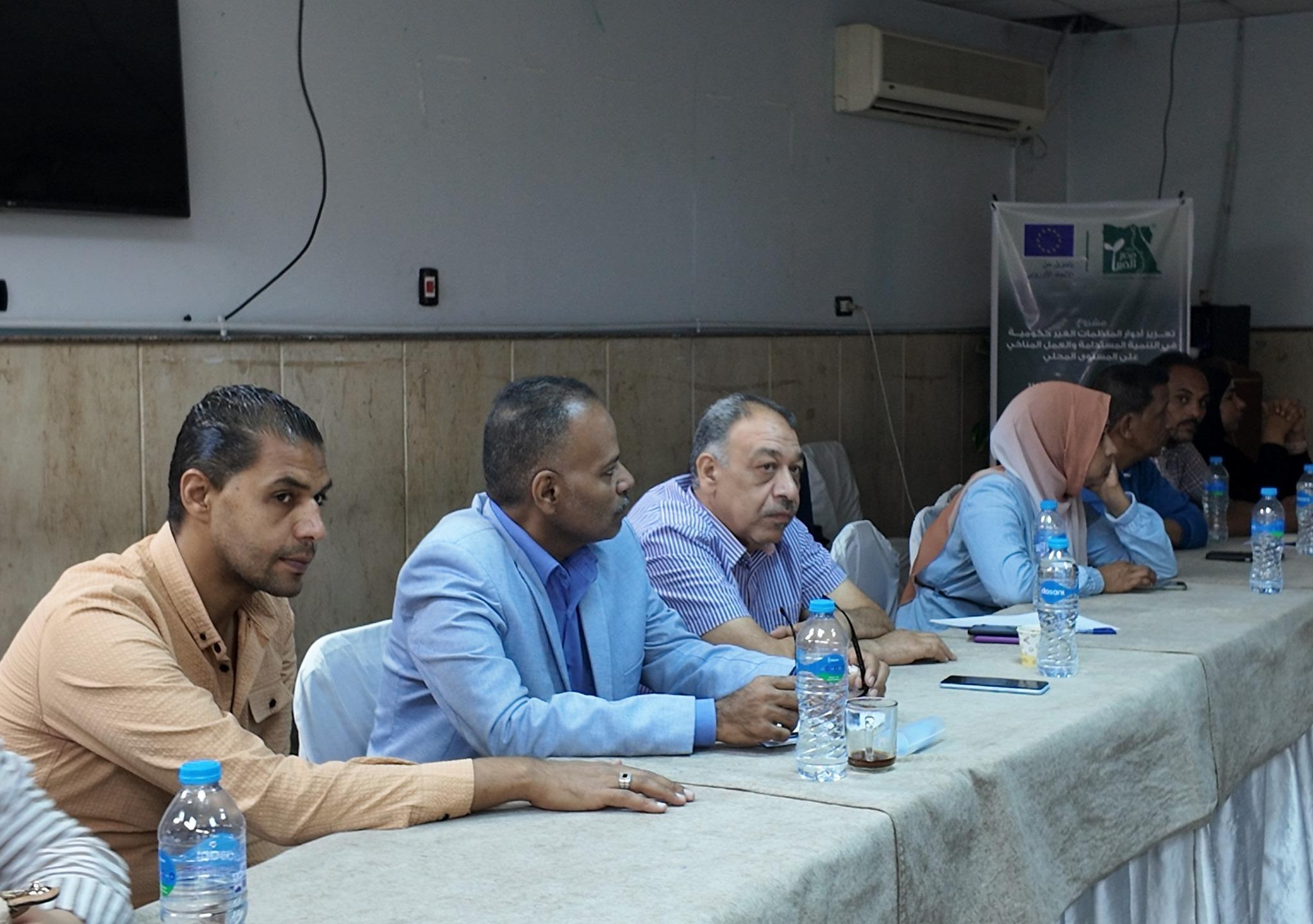
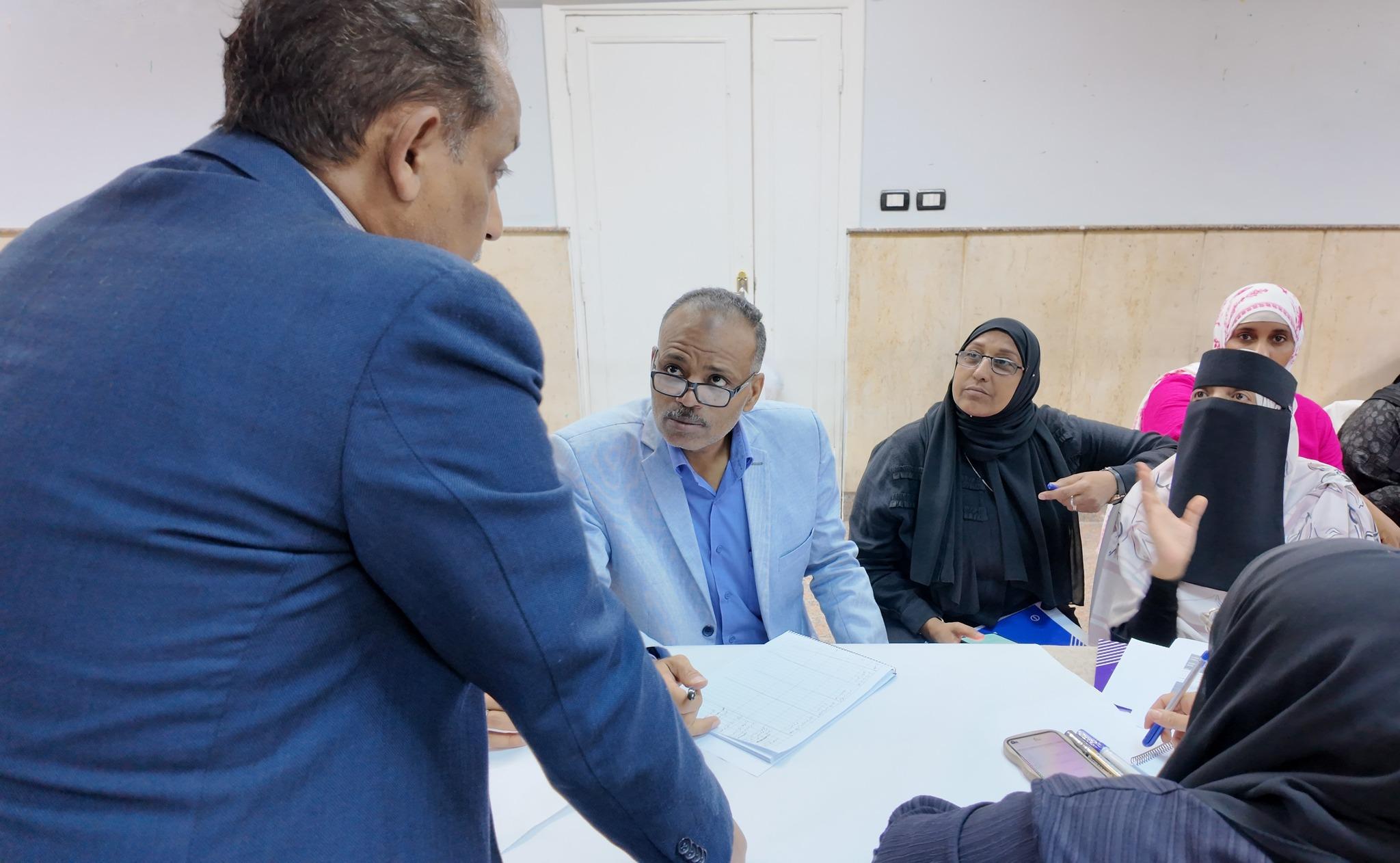
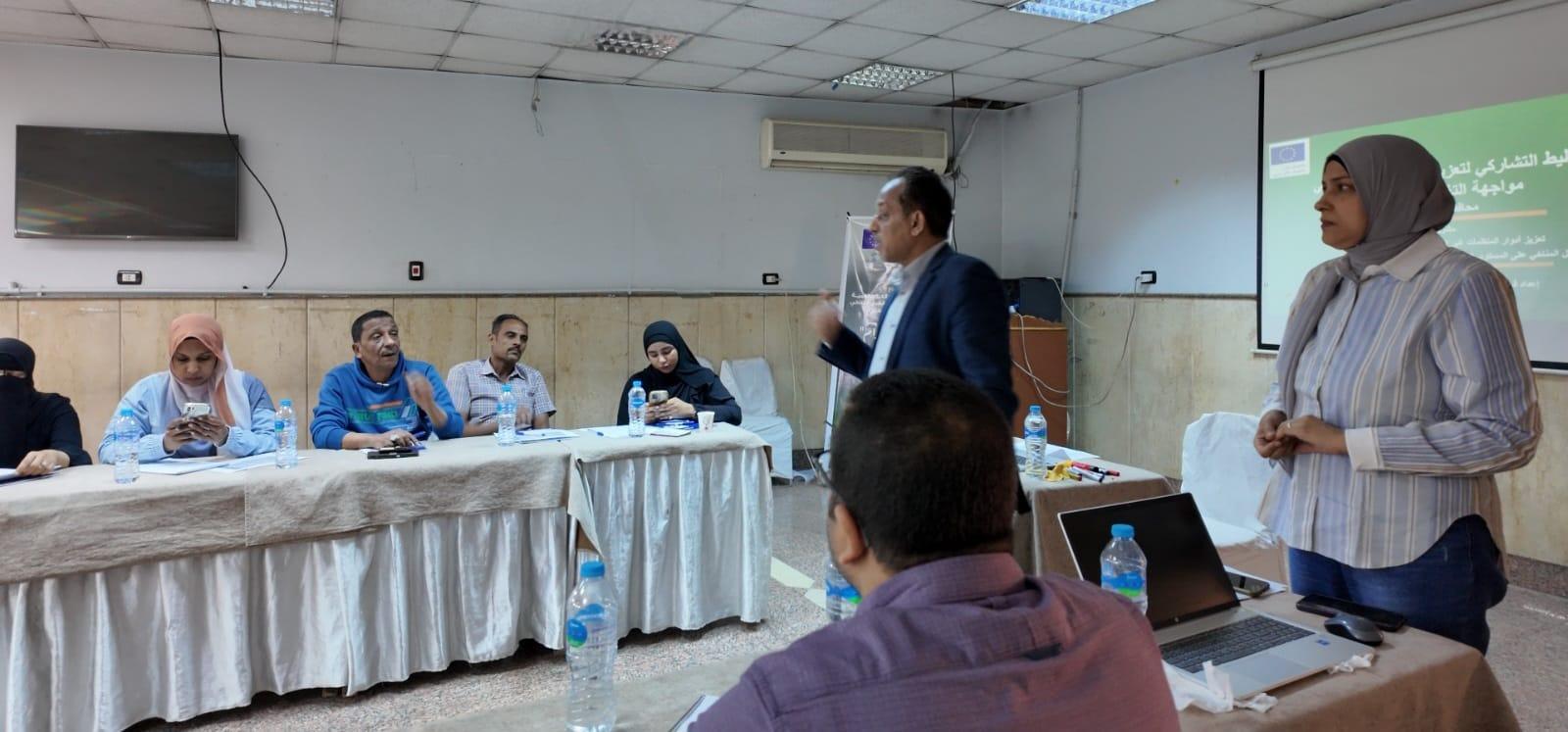
The workshop relied on interactive training methods based on participation and teamwork, which contributed to enhancing community dialogue and supporting a sense of shared responsibility towards implementing and following up on local development plans.
The workshop resulted in:
1) Preparing participatory community action plans.
2) Identify priority interventions related to climate challenges.
3) Strengthening the participation of local communities in monitoring and evaluation processes.
Misr El Kheir Foundation continues implementing the project “Strengthening the roles of NGOs for sustainable development and climate action” funded by the European Union.
The project aims to strengthen the role of civil society and empower local communities to actively engage in planning and decision-making processes related to sustainable development and climate action.
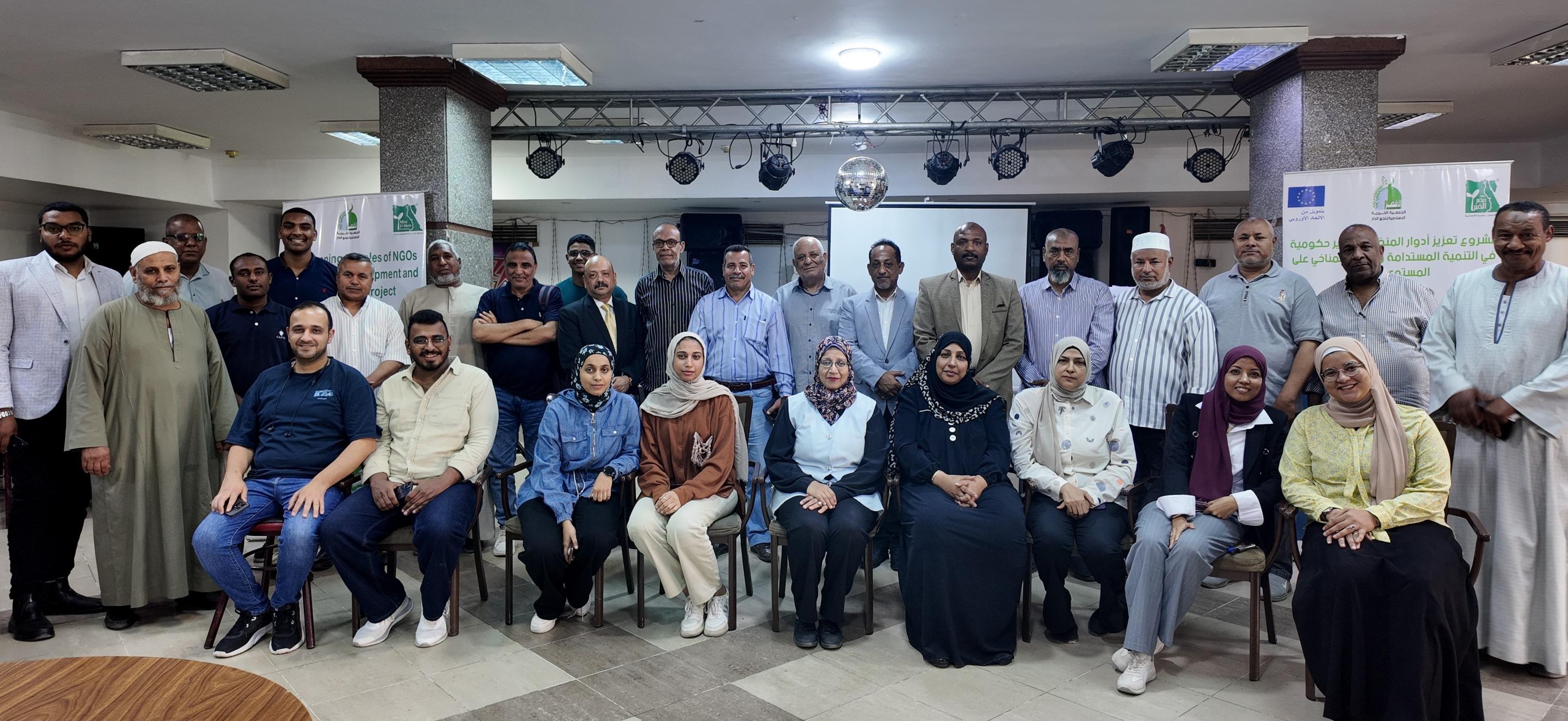
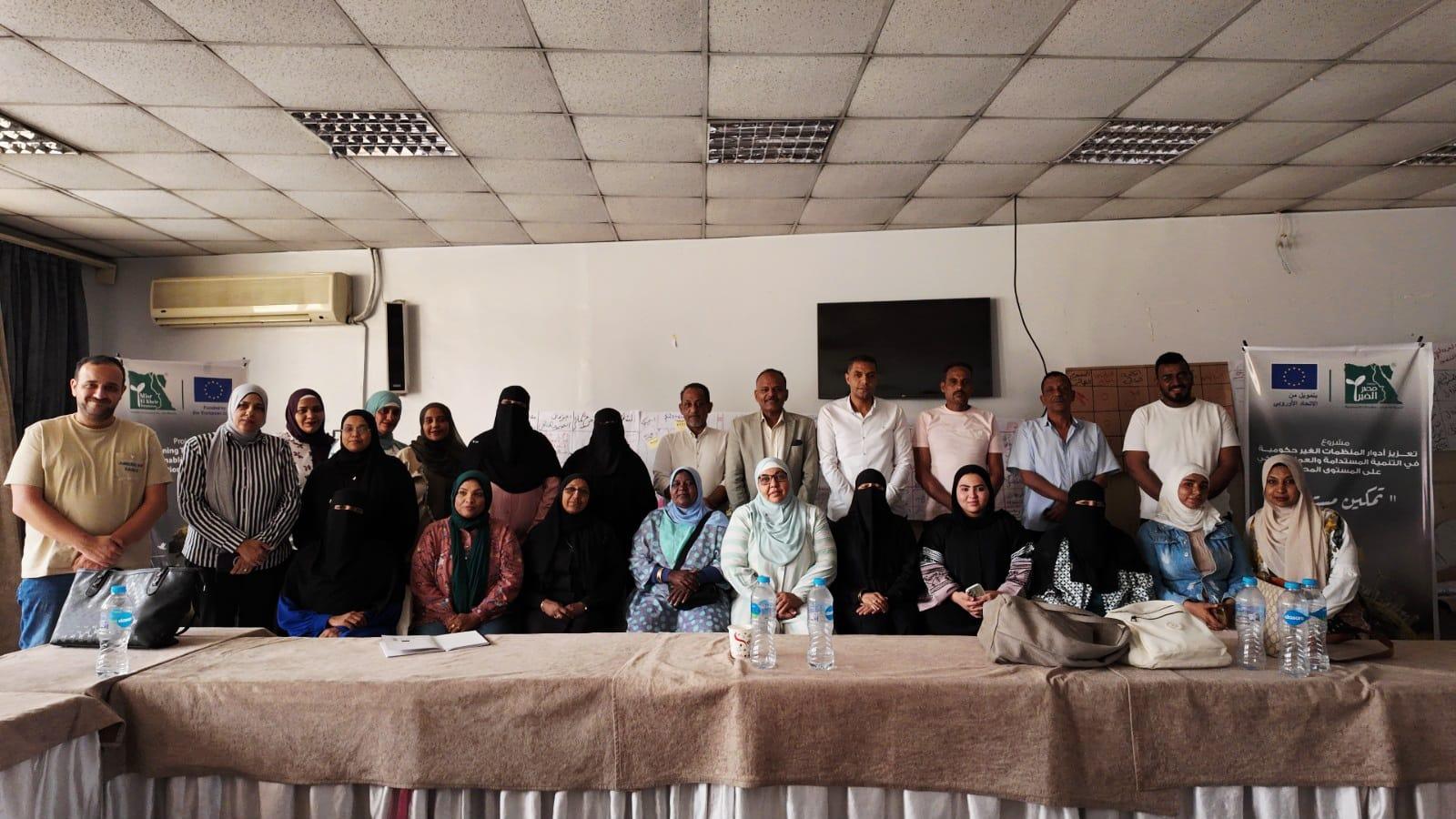
As part of this effort, the workshop “Participatory Planning to Strengthen Community Resilience to Climate Change” was conducted at Luxor and Aswan in cooperation with local partners, bringing together representatives of community-based organizations, local authorities, community members, and volunteers involved in the Participatory Rural Appraisal (PRA) process.
The workshop translated PRA findings into an actionable and community-owned development plan. Participants analyzed local climate challenges, identified priority interventions, and designed sustainable responses integrating gender considerations and Disaster Risk Reduction (DRR) principles. The sessions also clarify stakeholder roles and responsibilities to ensure coordinated and accountable implementation.
Through an interactive and participatory approach, participants developed an endorsed community action plan while strengthening local ownership, implementation capacity, and engagement in monitoring and follow-up.
Ultimately, participatory planning constitutes a strategic pathway toward enhancing community resilience and advancing sustainable development based on inclusive governance, collective ownership, and shared accountability.